Shopping links to Amazon are affiliate links. As an Amazon Associate we earn from qualifying purchases.
Keep the harvest going
Keep healthy plants while they still earn their space. Pick usable fruit before cold nights damage it, then clear exhausted crops to make room for winter plants.
Tomatoes
Pick ripe fruit regularly. Bring sound, mature green fruit indoors before frost; discard damaged or rotting fruit. How to ripen green tomatoes →
Peppers and chillies
Harvest developed fruit while plants remain healthy. Keep a favourite chilli only if you can provide suitable winter conditions. Decide whether to overwinter →
Aubergines and cucumbers
Pick usable aubergines and the last cucumbers. Remove plants once cropping has finished rather than maintaining a damp tangle of failing foliage. Cucumber growing guide →
Physalis
Choose fully ripe fruit with papery husks. Consider keeping a healthy plant only where it can be protected from frost. Fruit care for autumn →
How do I ripen green tomatoes?
Bring sound, full-sized fruit into a room indoors and spread it in a single layer. Check regularly and remove any that soften or rot. Tiny, immature fruit is less likely to ripen well. Keep frost-damaged or diseased fruit out of the batch.
What should I do with old tomato plants?
Remove roots, stems, fallen fruit and ties when cropping ends. Chop healthy material for composting; keep significantly diseased material out of a normal cool home compost heap and follow disease-specific disposal advice. Clean reusable supports before storing them.
Eight ways to keep growing
October is still a growing month, but the window is narrowing. Prioritise winter lettuce and small batches of leaves. In colder or exposed gardens, established modules are often a better investment than late seed sowings.
Winter lettuce
- Where
- Modules or a sheltered greenhouse bed
- Harvest
- Light pickings from established plants; October sowings mainly for spring
- Difficulty
- Easy
- Choose
- Winter Density or Arctic King
Sow thinly into moist seed compost. Give each plant room; avoid wet, crowded foliage.
Spinach
- Where
- Bright greenhouse border or a deep container
- Harvest
- Baby leaves in a mild autumn; otherwise spring
- Difficulty
- Easy with suitable timing
- Choose
- A variety labelled for autumn or overwintering
Earlier sowings or young plants are more dependable once light levels fall. Check the packet’s final sowing date.
Rocket
- Where
- Pots, trays or a greenhouse bed
- Harvest
- Late autumn leaves in mild conditions; growth slows in winter
- Difficulty
- Easy
- Choose
- Salad rocket for quick leaves; wild rocket for established plants
Pick a few outer leaves at a time and leave the centre growing.
Radishes
- Where
- Bright border or a container with root space
- Harvest
- Later autumn if light and warmth allow
- Difficulty
- Easy, but timing matters
- Choose
- A quick salad radish approved for autumn sowing
Thin seedlings promptly. Do not expect the rapid summer harvest time on the packet.
Spring onions
- Where
- Modules or a sheltered bed
- Harvest
- Usually spring
- Difficulty
- Easy
- Choose
- White Lisbon Winter Hardy
Choose the winter-hardy strain, not just any spring onion packet.
Coriander
- Where
- Deep pot in bright light
- Harvest
- Modest leaf pickings later in autumn
- Difficulty
- Easy indoors
- Choose
- A leaf variety such as Calypso
A bright, cool windowsill can be more useful than a cold, shaded greenhouse.
Parsley
- Where
- Bright windowsill, then suitable protection
- Harvest
- Established plants now; new sowings take much longer
- Difficulty
- Patient beginner
- Choose
- Flat-leaved or curly parsley
Germination is slow. Treat an October sowing as a longer project rather than a quick winter crop.
Pea shoots
- Where
- A shallow tray on a bright indoor windowsill
- Harvest
- Often a few weeks in suitable warmth and light
- Difficulty
- Easy
- Choose
- Untreated seed sold for pea shoots
Sow for tender shoots rather than pods. Keep moist, provide drainage and cut while young.
Variety and conditions matter more than the calendar: see the RHS lettuce guide and RHS rocket guide.
Shop for your October sowing plan
Amazon affiliate search links · Check the named variety, packet dates and seller. These searches are not verified individual product recommendations.
Is your favourite chilli worth keeping?
Healthy plant. Good crop. Somewhere warm enough.
If you can tick all three, overwintering may be worthwhile. A struggling, pest-ridden plant is rarely worth giving your best winter space.
- Choose a healthy plant. Finish harvesting and inspect stems, leaf undersides and compost for pests before moving it near other plants.
- Move it before cold damage. Use a bright, reliably frost-free indoor space or an appropriately heated greenhouse. An unheated greenhouse alone is not dependable protection.
- Reduce demand. Remove dead or unhealthy growth and shorten awkward stems if needed. Do not force lush new growth with summer feeding.
- Water sparingly, but check the roots. Let the compost become drier between waterings without allowing the root ball to stay completely dry. Watch for rot and pests throughout winter.
- Reassess in spring. Increase watering as growth resumes and repot when necessary. Keeping a plant alive is the aim; a heavy winter harvest is not.
Without a suitable winter space, starting again from seed next season is a sensible choice.
Bring tender plants under cover
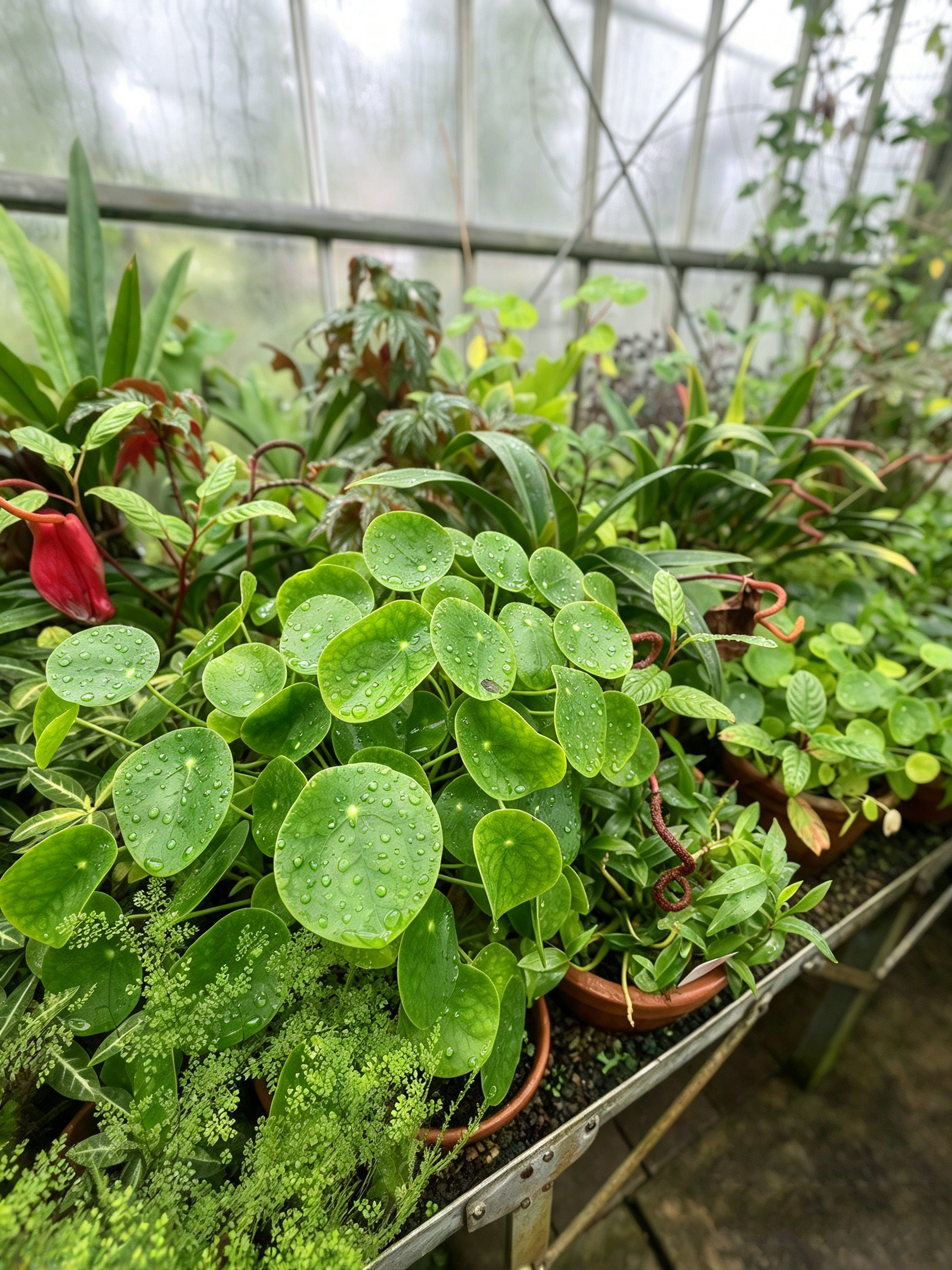
Check each plant’s identity and minimum temperature before you move it. Frost-free, cool and warm growing spaces are different environments. Inspect incoming plants, clear dead leaves and keep them apart from established collections while you check for pests.
Citrus
Keep evergreen plants in bright conditions. Lemons, limes and calamondins can have different minimum temperatures: check the species rather than setting one temperature for everything.
Bananas and young exotics
Hardiness varies greatly. A hardy banana’s roots and a tender banana’s whole plant need different treatment; young plants are especially vulnerable.
Bougainvillea
Move to a bright protected place before cold weather. Reduce watering as growth slows, and avoid cold, saturated compost.
Cannas
Plan protected storage for tender rhizomes as foliage dies down. Keep stored material from freezing and inspect for decay.
Tender fuchsias and pelargoniums
Make room for healthy plants or established cuttings. Remove dead flowers and foliage and retain enough ventilation to prevent damp, stagnant conditions.
Succulents
Identify the species: some are hardy, many are not. Light and free drainage remain essential, and many need much less water when cool.
How cold is your greenhouse getting?
Measure first, choose heat second. Place a max/min thermometer at plant height, away from direct sun and heaters. Record the overnight minimum, compare it with your plants’ needs and test your thermostat before the first cold spell.
Tubular heater
May provide modest local frost protection in a small, suitably insulated space. Output, greenhouse heat loss and outside temperature determine whether it is enough.
Thermostatic greenhouse heater
Useful for controlling a whole growing area when correctly sized. Choose equipment suitable for damp greenhouse conditions and follow the installation instructions.
Heat mat
Warms the root zone of a small group of pots or trays. It does not protect the entire greenhouse or necessarily keep foliage warm.
Heated propagator
A small environment for seeds and cuttings. Choose the temperature your crop needs, then provide enough light after germination.
Hardy winter salads do not need summer temperatures. Separate plants by their requirements where possible, rather than heating every square metre for one tender specimen.
Warmth and light are separate problems
A heated greenhouse can still be too dark for strong growth. Clean glazing and give plants the brightest useful position first. Supplementary lighting can help actively growing herbs and seedlings; a cool resting plant may need a different approach.
Herbs on a windowsill
Look for a plant-growing LED that covers the whole group, with a timer and adjustable height. Match use to the herbs you want to keep growing.
Seedlings and propagation
Even coverage matters: seedlings at the tray edge should not be stretching towards a small bright spot. Follow the lamp’s distance guidance.
Shelving
Linear lights can suit narrow shelves. Check usable coverage, secure mounting and clearance as the plants grow.
Tender plants and budget choices
Match intensity to the plant and growing temperature. Compare coverage and electricity use before price; one well-lit small area can be more useful than a weak lamp over everything.
Allow a regular dark period. Keep electrical equipment away from water and use only equipment suitable for its location.
Further guidance: RHS artificial lighting for plants.
Make space, then give the greenhouse a clean
Work a section at a time if plants are still cropping. Pick a mild day so any plants moved outside briefly are not chilled.
The autumn clear-out
- Remove exhausted crops, fallen fruit and dead leaves.
- Untie old supports; clean and dry reusable canes and ties.
- Wash pots, seed trays and staging before putting them away.
- Clean glazing to admit more of the limited winter daylight.
The winter inspection
- Clear gutters and check downpipes.
- Repair damaged panes and secure loose panels.
- Check door seals, hinges, vents and automatic openers.
- Keep paths clear and inspect staging for stability.
Be selective about composting
Healthy crop remains can go into the compost heap. Significant disease needs a different decision: an ordinary cool home heap may not destroy the problem. Identify the disease and follow suitable disposal advice; check what your council accepts in green waste.
Use cleaning products only as labelled and appropriate to the material. Avoid splashing products onto plants, and let washed equipment dry.
Further reading: RHS greenhouse cleaning guide.
What compost does your plant need?
Start with the plant and the job. A seed tray, a lemon tree and a succulent should not automatically receive the same mix. Avoid unnecessary autumn repotting; many established plants are better repotted when active growth resumes.
Sowing seeds
Use fresh, fine-textured peat-free seed compost with good drainage. Clean trays and a light hand with watering matter as much as the bag.
Winter salads
Use a suitable peat-free multipurpose or vegetable-growing compost in containers, with drainage holes. Greenhouse beds need attention to soil condition rather than a potting mix by default.
Herbs
Match the species: leafy parsley and coriander need a different moisture balance from Mediterranean herbs that dislike winter wet.
Citrus and tender collections
Choose a free-draining mix intended for the species. A citrus mix and a succulent mix serve different purposes; follow plant-specific guidance.
October watering is not July watering
Check the compost before you reach for the can.
Cooler days, shorter daylight and slower growth usually mean less demand. A pot can look dry on top while the root zone is still wet.
- Check moisture below the surface and lift smaller pots to judge their weight.
- Water when the plant needs it, preferably early enough for spills and wet foliage to dry.
- Reduce automatic irrigation and recheck it after weather changes; do not leave a summer timer running unchecked.
- Let excess water drain away. Empty standing water where it would keep roots saturated.
- Treat evergreen citrus, actively growing herbs and resting succulents separately.
The greenhouse fruit corner
Citrus
Move under appropriate protection, maximise light and adjust watering to actual moisture use. Keep an eye out for scale insects and other pests.
Grapes
Finish harvesting ripe bunches and remove spoiled fruit. Plan winter pruning for the appropriate dormant period rather than making major cuts now.
Figs
Expect leaves to fall as plants enter dormancy. Container roots are more exposed to cold than roots in the ground, so assess pot protection.
Strawberries
Remove dead or diseased foliage and runners you do not need. Keep crowns clear and plan which plants will be used for protected early cropping.
Physalis
Harvest ripe fruit and remove fallen material. Decide whether a healthy plant merits frost-free space or whether to start again next year.
Passion fruit
Check the species carefully: edible passion fruit and hardier ornamental passion flowers are not interchangeable. Protect tender plants before temperatures fall.
Explore fruit you can grow under glass →
Species-specific winter guidance: RHS citrus growing guide.
Prepare the structure for winter
Repair leaks and damaged glazing, close avoidable gaps and keep vents working. Insulation can reduce heat loss, but it also reduces incoming light: use it thoughtfully and avoid sealing plants into persistently wet air.
Check condensation, allow air movement on suitable days and make sure a heater can operate safely with clear space around it. A well-insulated structure still needs enough heat for the plants you choose.

Planning to grow through winter?
Explore Master Plastics’ double-glazed UPVC greenhouses for a more insulated growing space. Discuss the plants you want to grow, your garden dimensions, ventilation and the winter temperatures you need.
Double glazing can help retain heat; it does not guarantee a frost-free greenhouse without heating.
Explore our double-glazed greenhouses ↗October’s greenhouse bookshelf
Four reading routes for the quieter evenings, from first steps to more detailed growing plans.
As an Amazon Associate we earn from qualifying purchases. Book links are affiliate links; check the edition, price and availability on Amazon.
The Greenhouse Book
A broad starting point for making the greenhouse useful through the seasons.
View book on Amazon ↗Alan Titchmarsh How to Garden: Greenhouse Gardening
A compact companion for a first autumn of greenhouse care.
View book on Amazon ↗Vegetables and Herbs for the Greenhouse and Polytunnel
For readers interested in protected vegetables, herbs and successive crops.
View book on Amazon ↗The Greenhouse Gardener’s Manual
For exploring greenhouse systems and growing techniques in more depth; adapt advice to your UK conditions.
View book on Amazon ↗Autumn colour outside the greenhouse
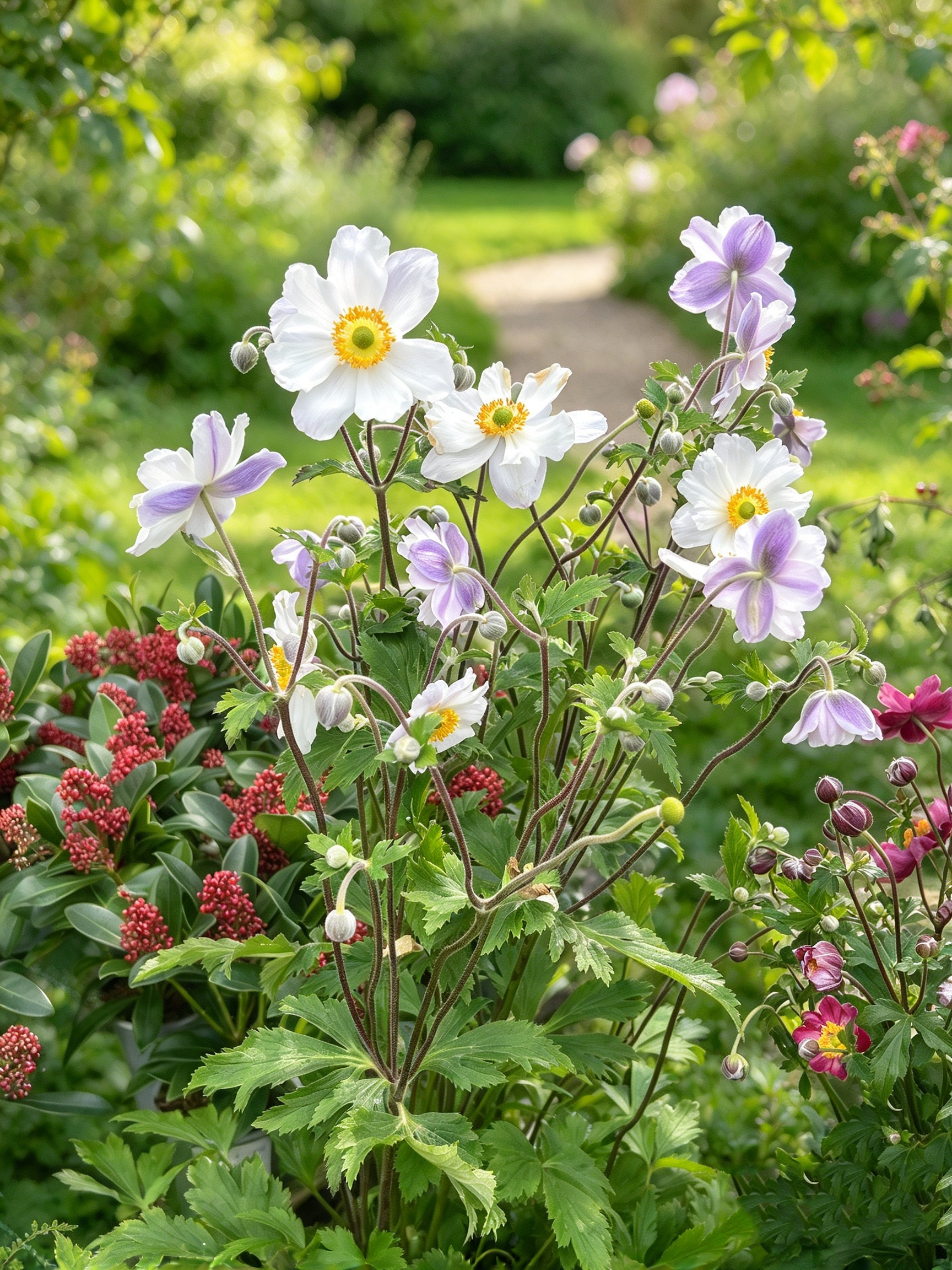
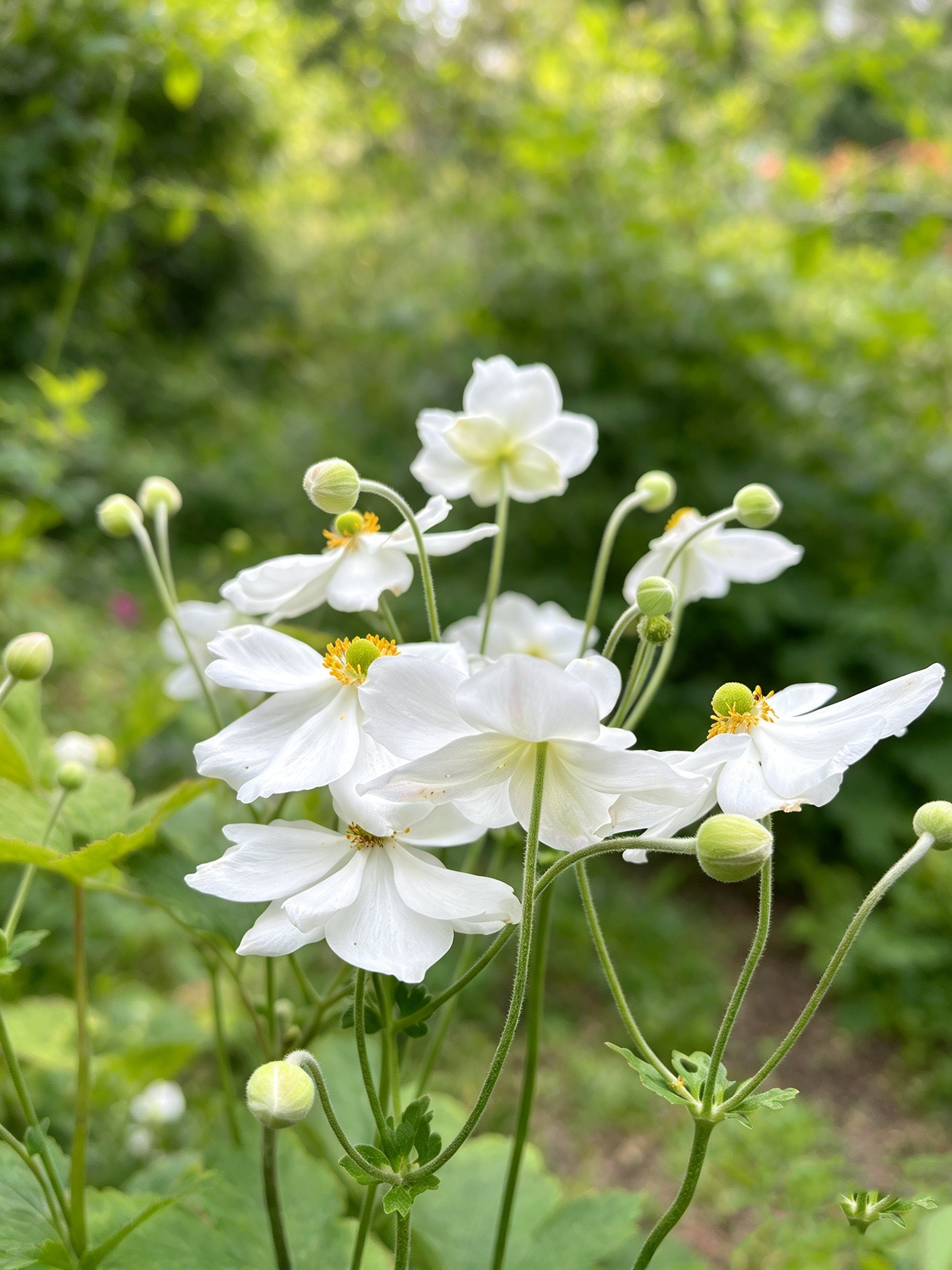

Japanese anemones
Take a moment between greenhouse jobs to enjoy the autumn border. Japanese anemones carry delicate-looking flowers above their foliage in late summer and autumn, extending the garden’s colour as summer crops finish.
Many varieties are hardy enough to stay outdoors all year. Check your variety’s hardiness and local conditions; less hardy types may need winter protection.
Give them space in a garden border and choose a position with moisture-retentive, well-drained soil. Avoid a spot that stays waterlogged in winter.
Your October weekend checklist
Work through these over the month. Tick off today’s jobs and use your own growing notes to plan the next visit.
Ticks are for this visit; they are not saved.
November in the greenhouse
Winter salads, frost protection, heating, light, overwintering tender plants and citrus care.
Explore November’s jobs →What’s happening in your greenhouse?
Ask a growing question or share your experience. Comments and replies are checked before publication.
Loading approved comments…